
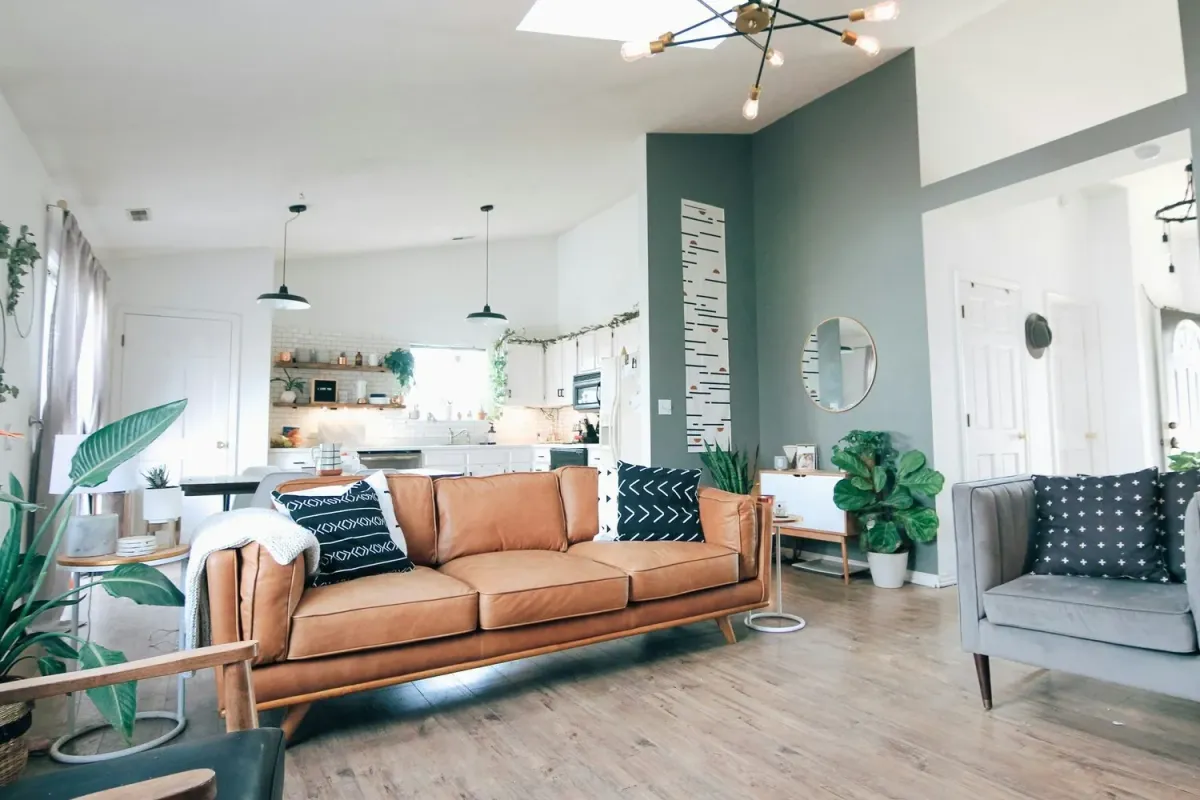
Essential Tips for Planning an Accessible and Aging-in-Place Home Remodel
As we age, our living spaces must adapt to meet changing needs. For Monroe, GA homeowners, aging in place — remaining in one’s own home throughout later years — requires thoughtful renovations. Creating a home that supports this goal may involve modifications combining accessibility, safety, and long-term independence.
This guide explores essential planning strategies for successful aging-in-place remodels that integrate functionality, aesthetics, and convenience.
Creating an Accessible and Functional Kitchen Space
The kitchen serves as a central hub requiring careful attention during accessibility upgrades.
Counter Height and Storage
- Adjustable counter heights accommodate seated users
- Pull-out shelves, lazy Susans, and adjustable cabinetry improve accessibility for those with limited mobility or strength
Appliance Selection and Placement
- Choose appliances with intuitive controls and clear display panels
- Side-opening ovens, drawer-style dishwashers, and countertop microwaves enhance usability and safety
Flooring and Traffic Flow
- Install slip-resistant flooring materials to minimize tripping hazards
- Ensure adequate maneuvering space for walkers, wheelchairs, or mobility aids
Designing an Aging-in-Place Friendly Bathroom
Bathrooms present significant safety considerations requiring strategic modifications.
Walk-in Showers and Bathtubs
- Replace traditional fixtures with walk-in options to reduce fall risk
- Incorporate built-in seating, grab bars, and adjustable showerheads for enhanced safety and comfort
Toilet Modifications
- Upgrade to comfort-height toilets for improved ease of use
- Install grab bars near toilets to support stability and independence
Sink and Vanity Adjustments
- Use pedestal or wall-mounted sinks with knee clearance for wheelchair access
- Install lever-style faucets with anti-scald protection for safety
Improving Home Entryways and Accessibility
Secure, welcoming, and navigable entryways enhance overall home accessibility.
Step-Free Entryways
- Create at least one step-free entrance using ramps or graded landscaping
- Benefits wheelchair users and those with stair-climbing difficulties
Doorways and Hallways
- Widen doorways and hallways for wheelchair accommodation
- Install lever-style doorknobs and maintain clear pathways throughout
Lighting and Visibility
- Install well-lit entryways and hallways to improve visibility
- Consider motion-sensor lighting and ensure adequate illumination for safe navigation
Adapting Living Spaces for Comfort and Convenience
Primary living areas require modifications supporting aging-related needs.
Furniture Placement and Seating
- Arrange furniture to create clear paths for easy navigation
- Select seating with adjustable heights and support arms
Home Automation and Technology
- Integrate smart home features including voice-activated lighting and automatic door and window openers
- Install programmable thermostats for enhanced convenience
Flooring and Fall Prevention
- Choose slip-resistant options like vinyl, low-pile carpeting, or hardwood-look laminate
- Secure rugs with non-slip backing and remove loose electrical cords
Plan Your Aging-in-Place Remodel with Nehemiah Construction
By carefully considering the unique needs and goals of an aging-in-place remodel, you can create a home that supports long-term comfort, safety, and independence. Contact our residential remodeling team to seamlessly integrate accessibility features with stylish design elements in your Monroe, GA home.

Chanch Edwards
Owner, Nehemiah Construction
Related Reading

What to Look for When Hiring a Home Remodeler in Monroe, GA
Choosing the right contractor determines your remodeling experience and final result. Learn 7 essential steps to help you find a trusted home remodeler in Monroe, GA.
Read More →
Home Remodeling Tips: Planning Your Renovation and Construction
Home remodeling upgrades, repairs, or redesigns existing structures to improve aesthetics, functionality, or energy efficiency. Learn essential tips for planning your renovation and construction project.
Read More →
Unlock Your Basement's Potential: Basement Remodeling Ideas for Monroe, GA Homeowners
Often overlooked and underutilized, your basement holds the key to unlocking your home's full potential. A well-executed basement remodel can transform an unused space into a versatile, functional, and inviting extension of your living areas.
Read More →