

What to Look for in a Commercial Contractor for Complex Projects
When launching a commercial construction initiative — such as a new office, retail build-out, or renovation — the contractor selection significantly impacts outcomes. Even smaller-scale projects demand planning, expertise, and dependable partnership.
Whether you’re a business owner, property manager, or developer, the wrong contractor can cost you time, money, and credibility.
1. Experience with Similar Commercial Projects
Not every contractor suits every job. A firm building high-rises may lack expertise in boutique office remodels or retail tenant improvements. Seek contractors demonstrating specific experience in smaller commercial builds including office renovations and fit-outs.
Request examples of comparable work, client testimonials, and project photographs. Nehemiah Construction specializes in appropriately-scaled commercial projects requiring meticulous attention, creative solutions, and dependable timelines.
2. Transparent Bidding Process
Bidding extends beyond cost — it encompasses clarity and dialogue. Professional contractors deliver detailed, itemized proposals explaining payment components:
- Clear breakdown of labor, materials, and equipment
- Realistic timeline and payment schedule
- Defined scope preventing surprises
Beware of unclear or suspiciously low estimates — they may signal inexperience or concealed expenses. Nehemiah ensures clients understand each proposal component for confident planning.
3. Strong Project Management for Smaller Builds
Smaller commercial initiatives involve numerous elements: subcontractors, permits, inspections, schedules, and finances. Contractors should maintain proven project management systems ensuring smooth operations.
Seek:
- Dedicated contact or project manager
- Digital communication and update tools
- Track record of on-time, on-budget completion
Nehemiah manages every phase — from conception to punch list — with professionalism and accuracy.
4. Licensing, Insurance, and Certifications
Regardless of project scale, contractors must carry proper licensing and coverage, protecting both parties during construction.
Confirm possession of:
- Valid contractor license
- General liability and workers’ compensation insurance
- Industry certifications (OSHA training or DBE status if applicable)
Nehemiah maintains all required credentials and current qualifications.
5. Positive References and Reputation
Contractor histories reveal essential information. Request references from clients with comparable project sizes and scopes. Were they satisfied? Did communication flow smoothly?
Additionally examine:
- Online reviews
- Client testimonials
- Local business endorsements
Nehemiah takes pride in sustained client relationships across diverse industries — offices, retail, light industrial operations.
6. Risk Management & Contingency Planning
Even straightforward office renovations encounter obstacles: delays, design shifts, or material constraints. Qualified contractors identify risks early and establish protocols addressing them efficiently.
Ask:
- How do you manage unexpected changes?
- Does your proposal include contingency planning?
- How are delays or cost adjustments communicated?
Nehemiah believes strategic planning prevents complications, building adaptability into each phase while prioritizing client objectives.
7. Essential Vetting Checklist
When evaluating commercial contractors, use this assessment framework:
- Tenant build-out and office renovation specialization?
- Proper licensing, bonding, and insurance coverage?
- Recent references for comparable projects available?
- Transparent, understandable proposals?
- Dedicated project manager or coordinator?
- Solid safety record?
- Digital communication and update capability?
- Change order and challenge planning?
These questions facilitate selecting contractors aligning with project scale and goals.
8. Clear Communication and Collaboration
Contractors should function as partners — not mere vendors. Select teams prioritizing transparent dialogue and consistent project updates.
Inquire:
- Who serves as primary contact?
- Will weekly updates or progress reports occur?
- How are issues or modifications communicated?
Nehemiah emphasizes partnership. Clients remain informed throughout, with staff consistently accessible for concerns.
9. Flexibility and Adaptability
Smaller initiatives still evolve. Design elements may expand, finishes need updating, or tenant requirements shift. Contractors must demonstrate nimbleness responding without compromising schedules or budgets.
Optimal contractors:
- Source alternate materials rapidly
- Coordinate efficiently with architects or designers
- Scale teams according to requirements
Nehemiah operates with agility, maintaining momentum even through plan adjustments.
10. Post-Construction Support & Warranty
Construction completion doesn’t mark the relationship’s end. Trustworthy contractors provide warranty support standing behind workmanship post-handover.
Ask:
- What warranty duration applies?
- What comprises post-project assistance?
- Whom should I contact for follow-ups?
Nehemiah values enduring partnerships, remaining available after final inspections ensuring optimal performance.
Final Thoughts
When investing in tenant build-outs, office renovations, or smaller commercial construction, you require more than a contractor — you need a partner sharing goals, respecting timelines, and delivering quality results.
Nehemiah Construction brings strategic planning, transparent communication, and craftsmanship to every undertaking — regardless of scale. Contact us today to schedule a consultation or request a proposal.
Frequently Asked Questions
What project types does Nehemiah Construction handle?
We specialize in tenant improvements, office renovations, light commercial builds, and smaller-scale commercial projects throughout the region.
What defines contractor selection for office build-outs?
Similar project experience, transparent pricing, valid licensing, strong communication, and clear planning remain essential.
Why does detailed proposal documentation matter?
It prevents unexpected costs, maintains project trajectory, and ensures transparent understanding of deliverables.
Do smaller commercial projects require permits?
Yes. Even light renovations typically require permits, inspections, and proper oversight.
What post-project assistance does Nehemiah provide?
Warranty coverage, punch list completion, and ongoing support ensure spaces meet expectations after handover.

Chanch Edwards
Owner, Nehemiah Construction
Related Reading
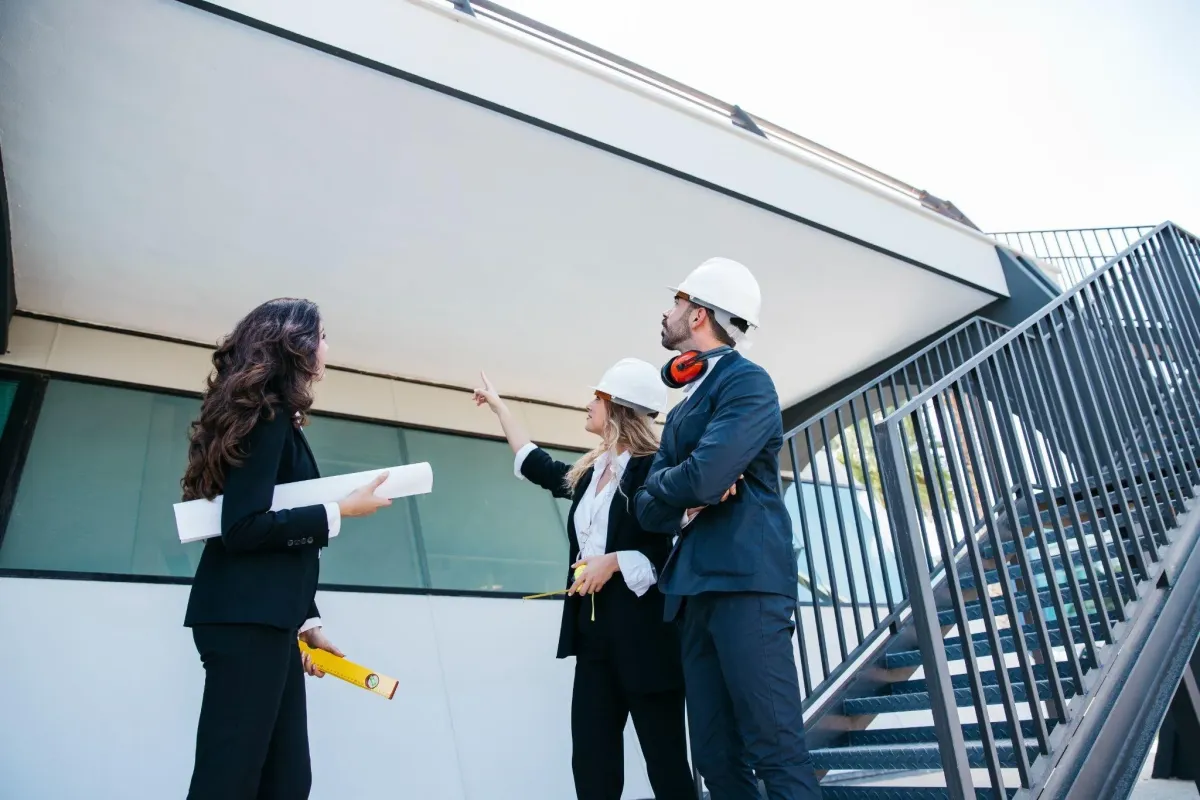
Choosing the Right Construction Consulting Firms for Your Next Build
When embarking on construction or renovation work, selecting an appropriate consulting partner ranks among the most critical decisions project owners face. Learn how to evaluate and choose the right construction consulting firm.
Read More →
From Concept to Reality: A Step-by-Step Guide for Your Commercial Construction Company Build-Out
Planning a commercial build-out is a major undertaking. Learn the 7 stages of a successful commercial build-out and how partnering with an experienced commercial construction company ensures efficiency.
Read More →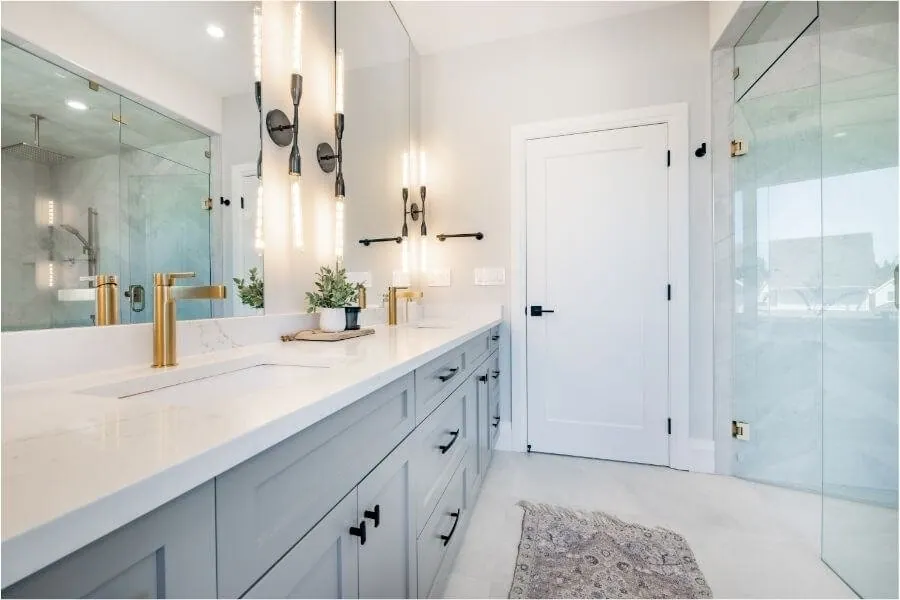
10 Ways to Update Your Bathroom with Style
Updating your bathroom is one of the most effective ways to enhance the functionality and aesthetic appeal of your home. Here are 10 innovative ways to update your bathroom with style.
Read More →